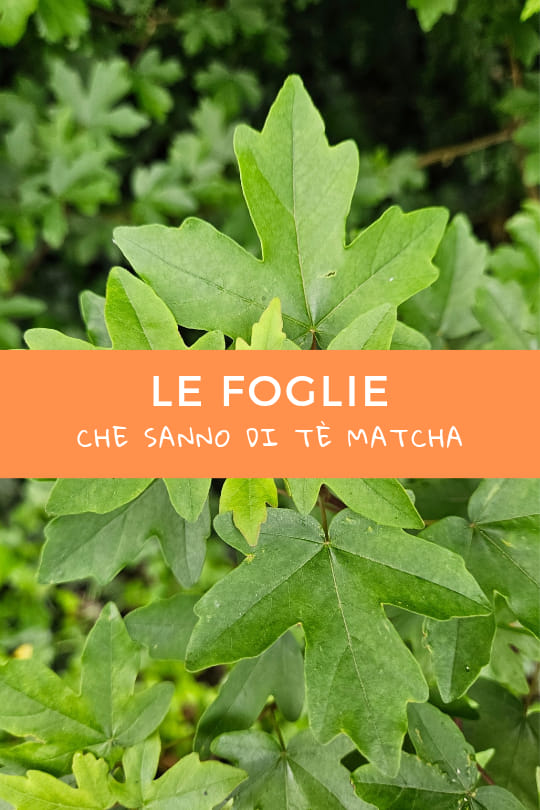
ATTENZIONE: non tutte le specie del genere Acer sono commestibili!
Non lo è acero di monte, per la presenza di ipoglicina A “Acer pseudoplatanus: a potential risk of poisoning for several herbivore species.
Benoît Renaud, Caroline-Julia Kruse, Anne-Christine François, Lisa Grund, Carolin Bunert, Lucie Brisson, François Boemer, Gilbert Gault, Barbara Ghislain, Thierry Petitjean, Pascal Gustin, and Dominique-Marie Votion”.
Non lo è l’acero striato della Manciuria: “Safety Assessment of Acer tegmentosum Maxim. Water Extract: General Toxicity Studies in Sprague-Dawley Rats and Beagle Dogs With Re-evaluation of Genotoxic Potentials. Jin-Sung Park et al. Front Pharmacol. 2021.”
E l’acero rosso (Acer rubrum L.), non è commestibile per gli equini: “Red maple (Acer rubrum) leaf toxicosis in horses: a retrospective study of 32 cases. Ashley Alward et al. J Vet Intern Med. 2006 Sep-Oct.).”
© Copyright Associazione capra&cavoli, condividi non copiare. Grazie
- #divulgazionescientifica
- #erbearomatiche #thematcha
- #erbeselvatiche
- #erbespontanee
- #erboristeria
- #flowers
- #forager
- #foraging
- #Leaf
- #leafgreen
- #marple
- #natura
- #naturalremedies
- #NaturalSkinCare
- #naturelover
- #piantemedicinali
- #plant
- #plantbased
- #plantlover
- #plants
- #recipes
- #remedy
- #syrup
- #veganfood
- #wild
- #wildherbs
- #wildlife
- #wildplants
- #wood
Autore

ceciliatanghetti@gmail.com
Articoli correlati
Un extraterrestre in giardino: la camomilla
VIDEO COMPLETO: © Copyright Associazione capra&cavoli, condividi ma non copiare. Grazie
Equiseto: il segreto per articolazioni sane
“La principale proprietà dell’equiseto è quella rimineralizzante sostenuta dalla ricchezza in silicio del fitocomplesso. Il silicio contibuisce ad assicurare la solidità scheletrica,...
Come raccogliere i semi di amaranto
© Copyright Associazione capra&cavoli, condividi ma non copiare. Grazie
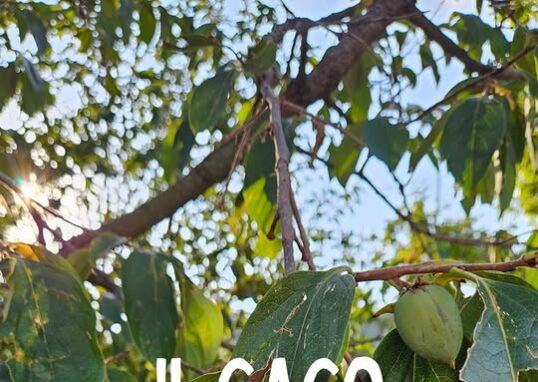
Il caco contro l’osteoporosi
Nelle foglie del caco (Diospyros kaki Thunb.) e in quelle dell’albero di S.Andrea (Diospyros lotus L.) sono stati isolati 159 componenti, tra...
- #autumn
- #autumnvibes
- #autunno
- #botanica
- #cachi
- #CACO
- #diabete
- #diabetes
- #diospyroskaki
- #diospyroslotus
- #ebano
- #erboristeria
- #fitoterapia
- #foraging
- #fruits
- #frutta
- #kaki
- #leaves
- #lotus
- #medicinaalternativa
- #naturalmedicine
- #naturalremedies
- #osteoporosi
- #persimmon
- #piante
- #pianteefiori
- #pianteofficinali
- #plantesmedicinales
- #plants
- #scienzenaturali
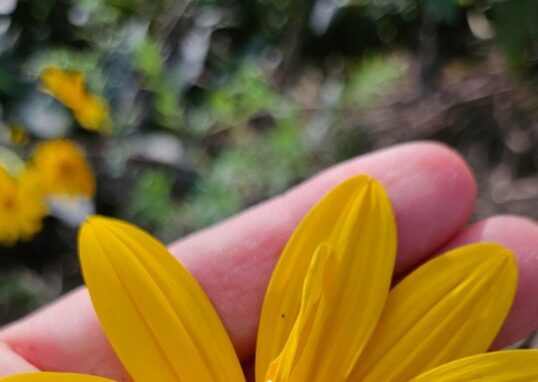
Perchè il mio topinambur non fiorisce?
Spesso mi fate queste due domande:– perché il mio Topinambur non fiorisce?– quando si raccolgono i tuberi del Topinambur? Vediamo insieme le...
- #artichaut
- #artichoke
- #artichokes
- #autumn
- #autumncolors
- #autumnvibes
- #carciofi
- #carciofo
- #erbe
- #erbearomatiche
- #erbeofficinali
- #erbespontanee
- #erdbirne
- #fiori
- #fiorichesimangiano
- #fitoterapia
- #flora
- #flowers
- #foraging
- #girasoles
- #heliantus
- #heliantustuberosus
- #herbs
- #jerusalemartischocke
- #pianteefiori
- #topinambour
- #topinambours
- #topinambur
- #truffe

Decotto di sambuco
Le bacche di Sambucus nigra (Sambuco nero) hanno proprietà antinevralgiche, inoltre si sono dimostrate molto efficaci per ridurre i sintomi provocati dalle...
- #blackberries
- #chefsofinstagram
- #elderberries
- #elderberry
- #elderberrybenefits
- #fermentation
- #foodblogger
- #forage
- #foraging
- #guthealthmatters
- #healthiswealth
- #healthyfood
- #herbalism
- #herbalist
- #herbalpopsicles
- #herbs
- #immunehealth
- #influenza
- #kitchenherbalism
- #plums
- #powerfood
- #probiotics
- #recipeideas
- #sambuco
- #truecooks
- #wellness
- #wildfood
- #wildfoodlove